Start with sunlight, not preference
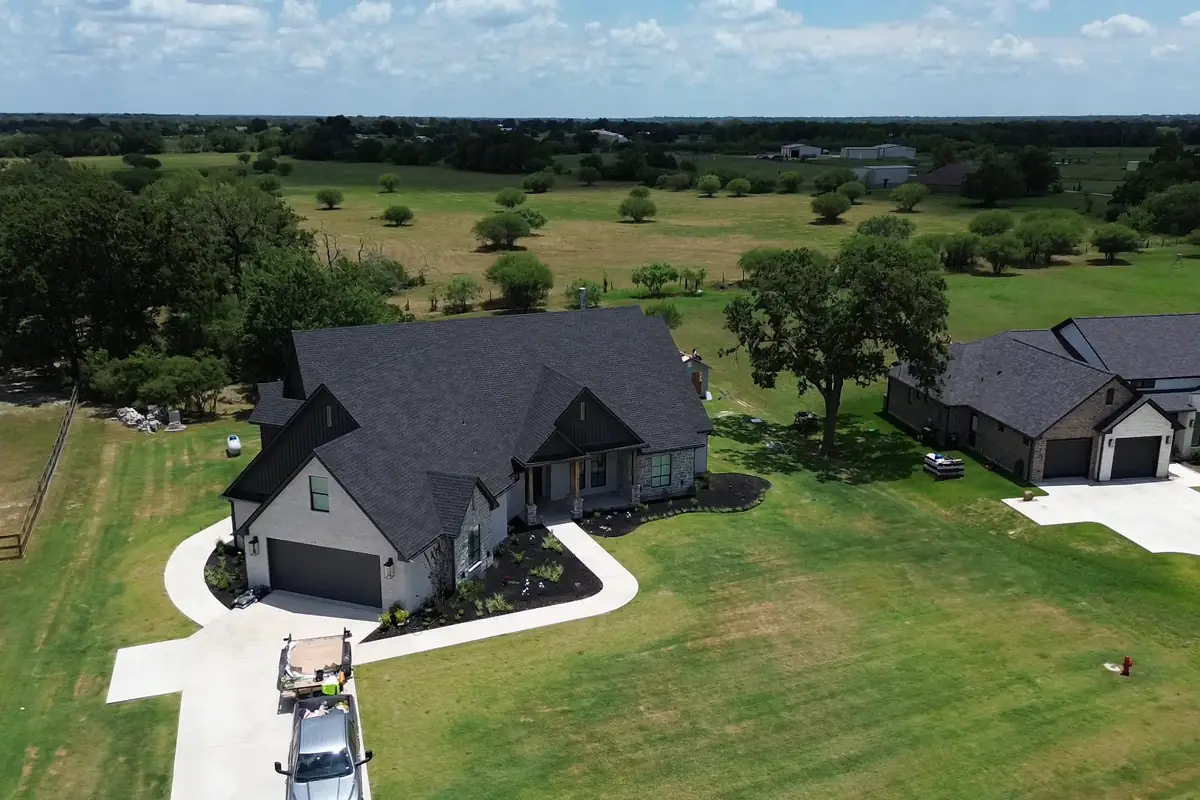
All three of the common warm season grasses in the Brazos Valley can make a beautiful lawn. What decides between them is the site. Count the hours of direct sun each part of the yard receives in summer, and notice how that changes from the front lawn to the back corner behind the garage. That one observation narrows the choice more than anything else, and it is the first thing we ask about when a homeowner in Bryan or College Station tells us they want a better lawn.
Bermuda: for full sun and heavy use
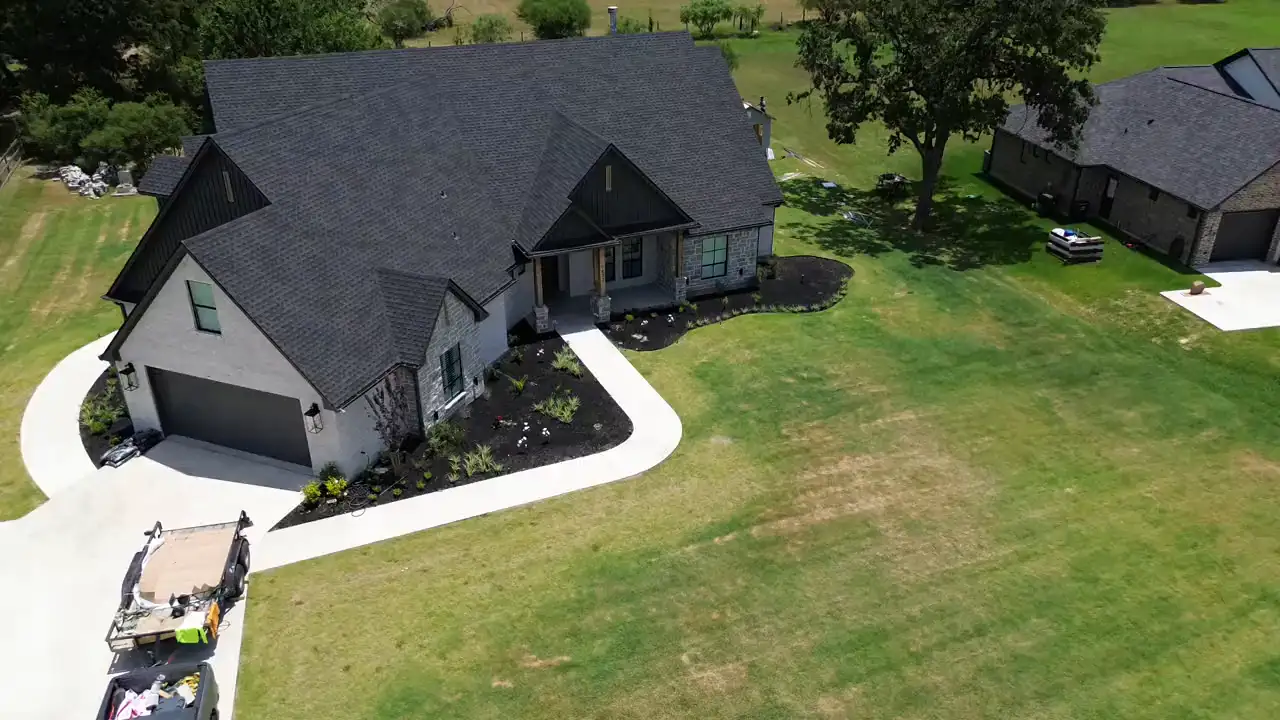
Bermuda loves heat, recovers quickly from wear and handles drought well once established. It is the natural choice for open, sunny lawns and for families with children and dogs. It needs full sun to stay thick, it spreads readily into beds, and it turns tan when it goes dormant in winter. Edging and clear borders keep it where you want it, and a well kept Bermuda lawn has a crisp, finished look that suits a modern home as easily as a traditional one.
St. Augustine: for filtered shade
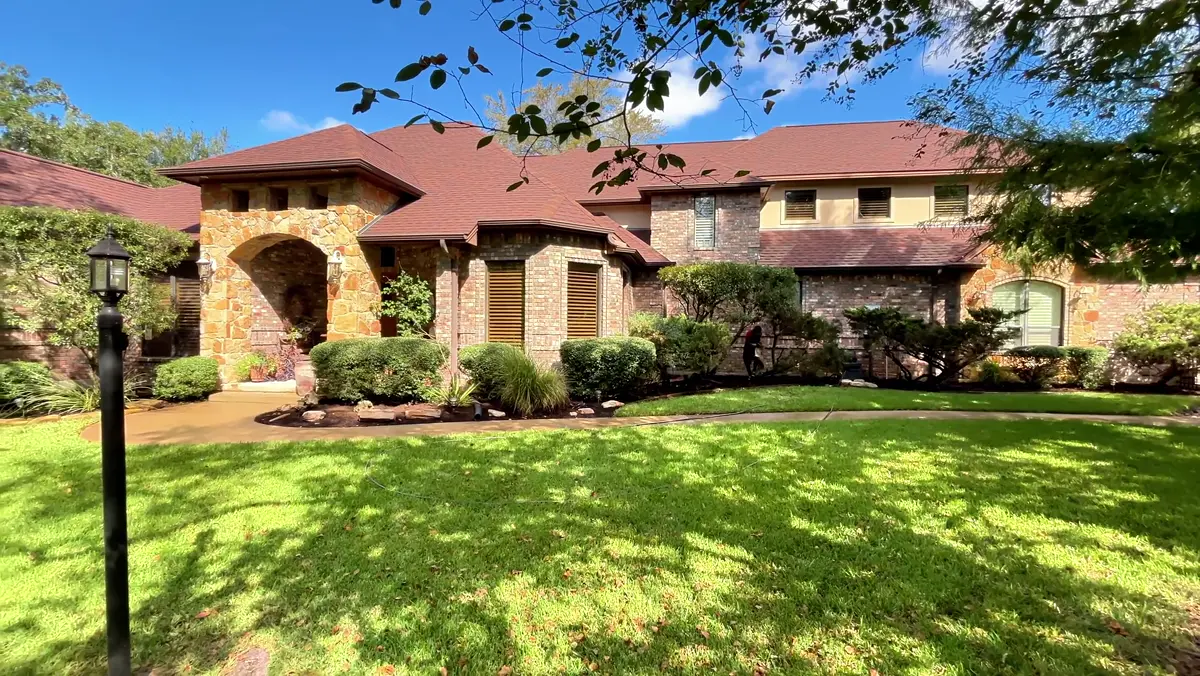
St. Augustine has a broad blade and a lush look, and it tolerates more shade than Bermuda, which makes it common under the live oaks and post oaks found across College Station. It asks for more water in summer and does not like heavy foot traffic. On lots where mature trees and sunny open areas share the same yard, it often works best in the shaded front yard while another grass serves the sunnier back.
Zoysia: the refined middle ground
Zoysia grows dense and soft, holds its color well, and handles moderate shade and moderate traffic. It establishes more slowly than the other two, so patience in the first season is rewarded later with a lawn that needs less mowing. Many homeowners who value a soft, almost carpet like feel underfoot choose it for the areas closest to the patio, where the lawn is seen and touched most often.
Reading your soil before you choose
Much of the Brazos Valley sits on heavy clay, which swells when wet and shrinks and cracks in a dry summer. Clay holds nutrients well, but it drains slowly and compacts easily. Any of the three grasses can thrive here when the soil is prepared for it, and any of them can struggle when it is not. We look at how water moves across your lot before recommending a grass, because drainage and grade often matter as much as the variety.
Preparation matters more than the variety
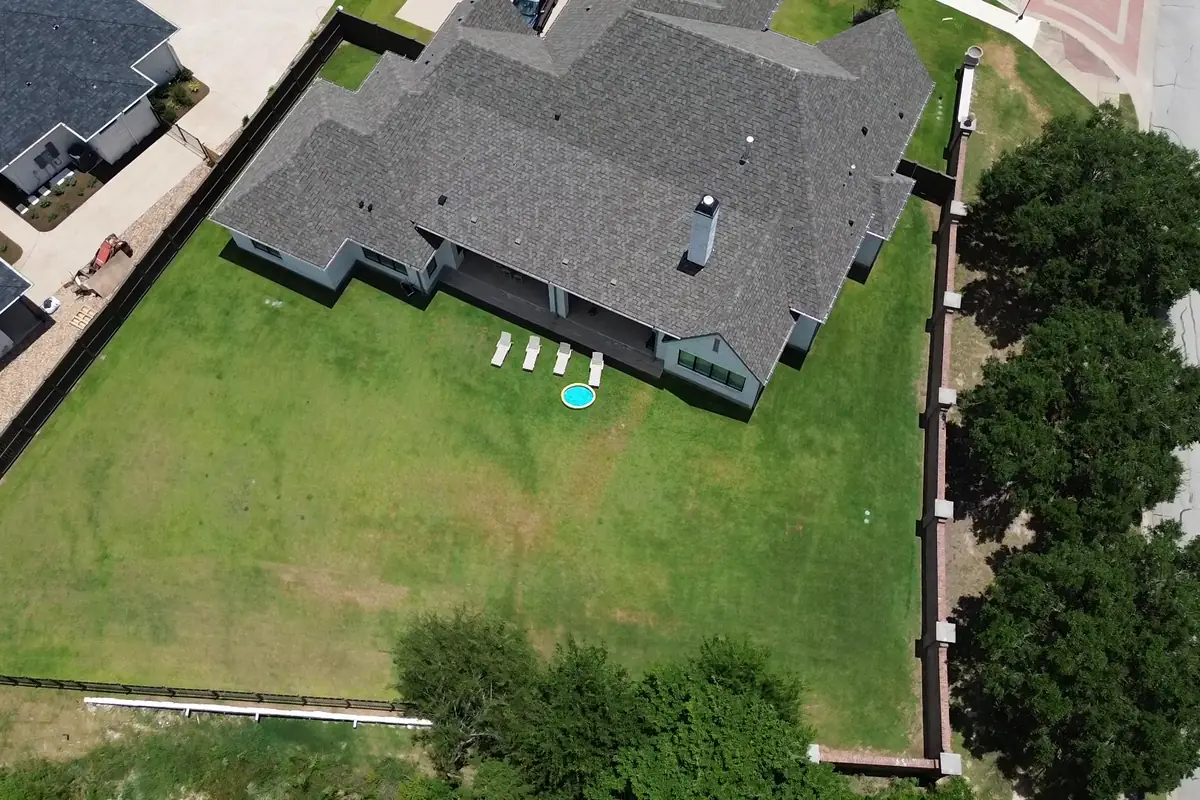
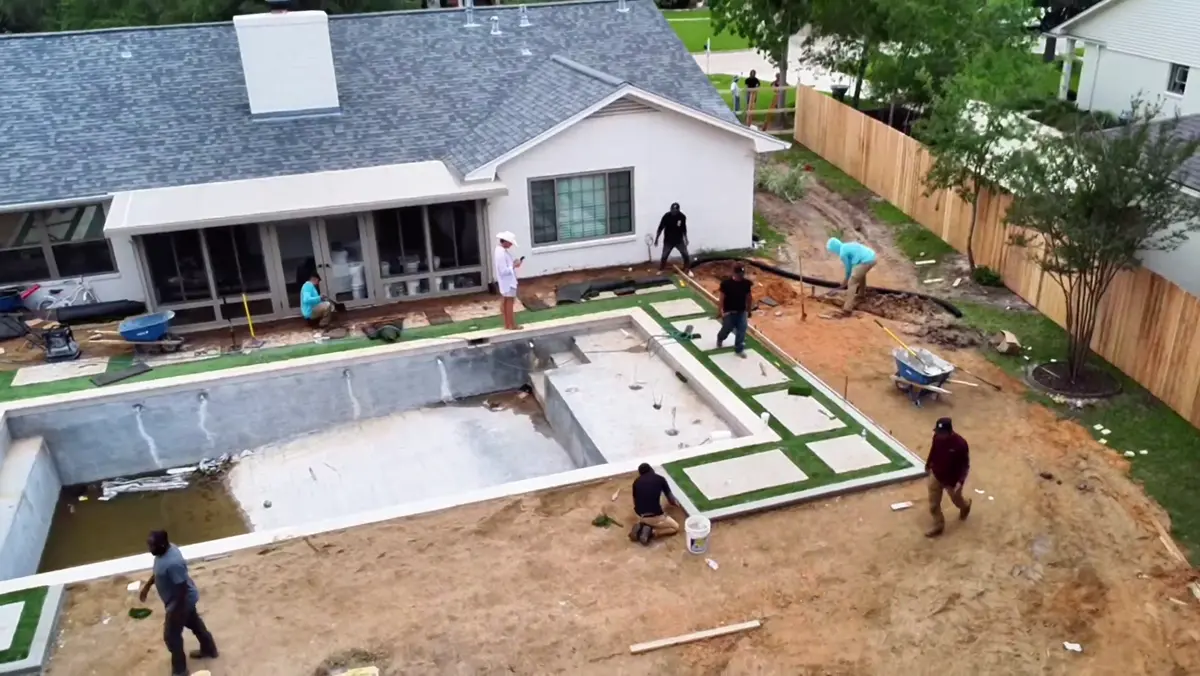
Sod fails far more often from poor preparation than from the wrong grass. On clay soil that means correcting the grade so water moves, loosening and amending the surface, and confirming irrigation coverage before the first pallet arrives. New sod then needs frequent, light watering until it roots. A lawn laid on a properly prepared surface knits into the soil quickly, while one laid on compacted, uneven ground tends to stay patchy no matter how carefully it is watered.
Irrigation that fits the lawn
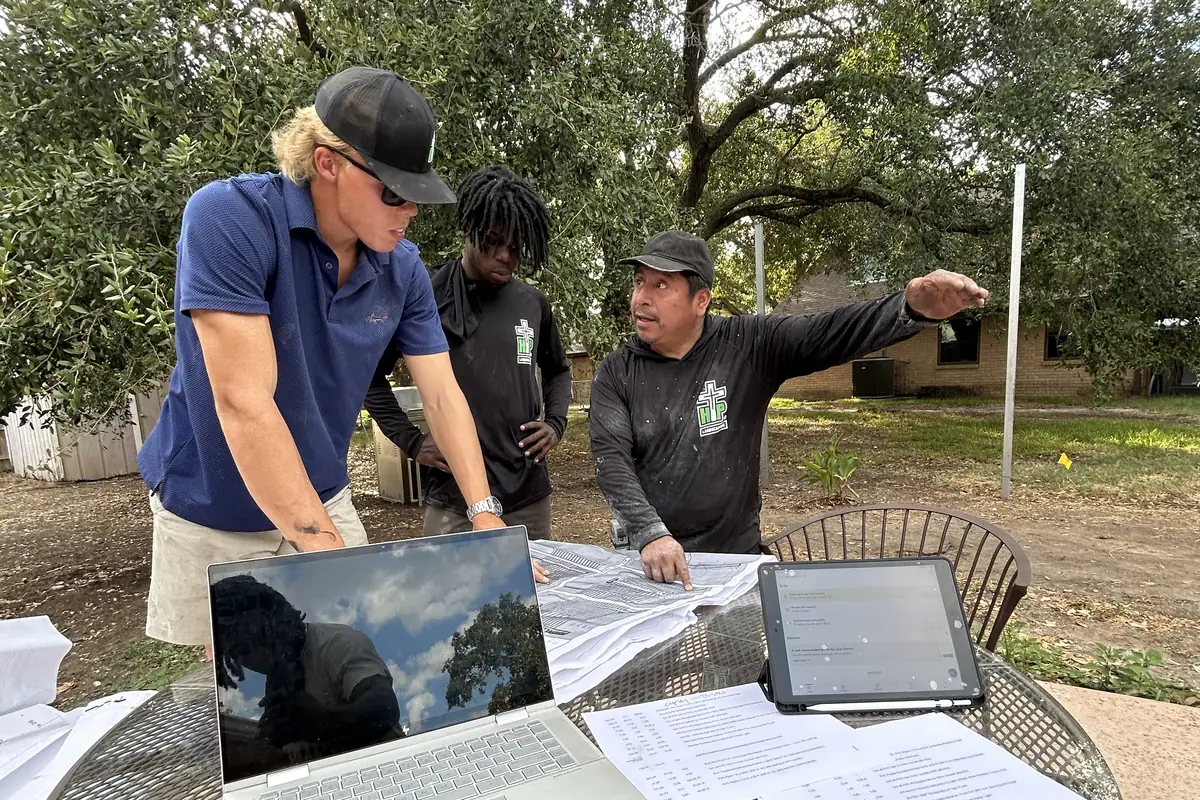
A beautiful lawn depends on even watering. Spray heads and rotors should cover the whole area without soaking walkways or the house, and zones should match the grass and the amount of sun each area receives. A shaded St. Augustine lawn and a full sun Bermuda lawn do not want the same schedule. We design irrigation on the same plan as the lawn, so coverage is confirmed on paper rather than discovered after the sod is down.
When to install
Warm season sod roots fastest when the soil is warm, from spring into early fall. It can be laid at other times of year, with slower rooting and more care. Your written proposal sets out the timing for your yard, and your project lead will tell you plainly if waiting for better conditions will give you a better lawn.
Mowing, color and winter dormancy
Warm season grasses rest in winter, and the Brazos Valley has mild winters with the occasional hard freeze. Bermuda and Zoysia turn tan until spring, while St. Augustine can hold some color in sheltered spots before a freeze. Mowing height, frequency and the look of the lawn through the year differ for each grass. It helps to decide, before you choose, how you feel about a lawn that rests for a season, because that is part of the character of every warm season turf.
Your next step: the project brief
The simplest way to begin is a project brief. Share the address, the scope you have in mind, photographs of the lawn as it is today and any inspiration you have saved. We review every brief personally and, once we understand the project, we reserve your consultation. From there, one project lead carries the work from your first conversation to the final walkthrough.