Design is where time is saved
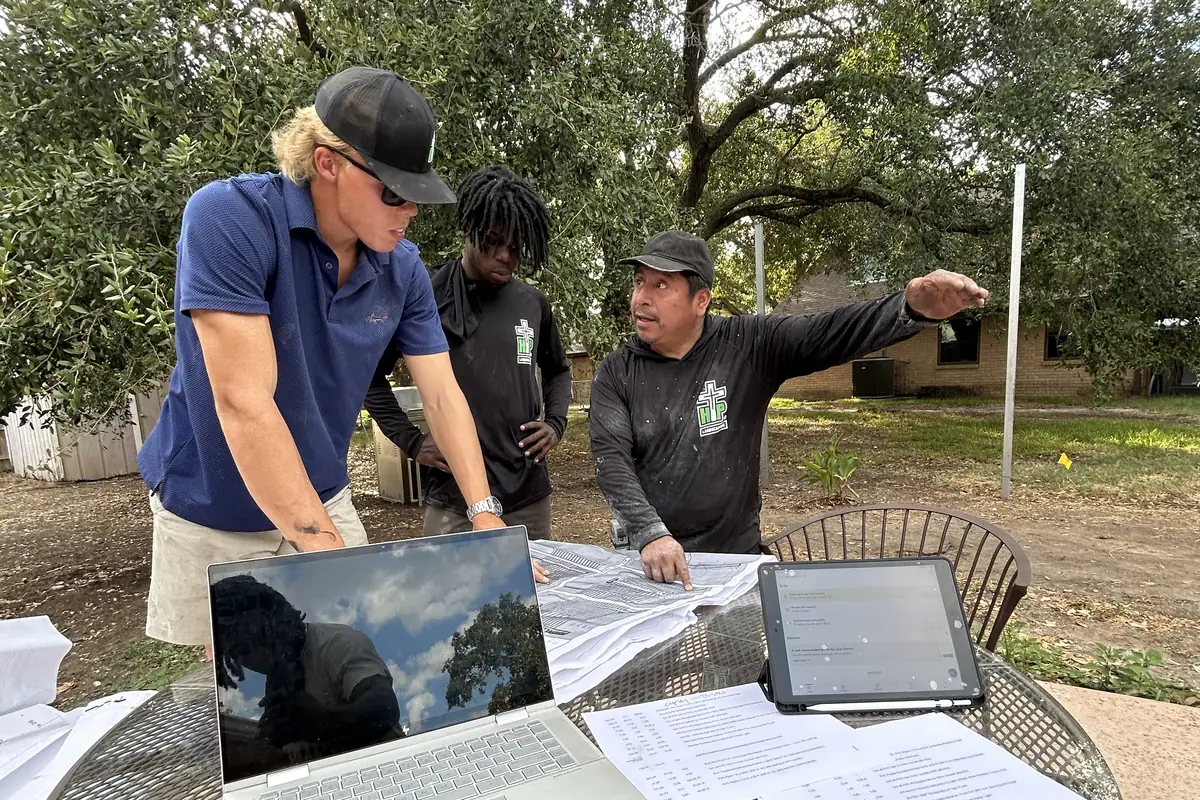
The time spent resolving the plan is time not lost in the field. When layout, materials, lighting, drainage and utilities are settled on paper, crews arrive knowing exactly what to build. Projects that skip this step tend to pause mid build for decisions that could have been made at a desk. We design every project in CAD with 3D renderings, so questions are answered while they are still inexpensive to answer and easy to change.
Approvals run on their own calendar
City permits and HOA architectural reviews each take the time they take. A city permit or an HOA review may apply to your project, and we prepare the drawings these reviews ask for and submit early, so approvals overlap with design instead of following it. Communities such as Miramont, Traditions and Pebble Creek often ask for plans before work begins, and a complete, well prepared submission is the surest way to keep a review moving.
Weather is part of the schedule
Brazos Valley clay does not forgive work done in the wet. Excavation, concrete and plaster all wait for the right conditions. A realistic schedule includes room for rain, and an honest project lead tells you when a delay is the right call for the finished result. A pause for good conditions is not lost time. It is the difference between a surface that stays flat and true and one that shows the shortcut for years.
Sequencing: one trade at a time, in the right order
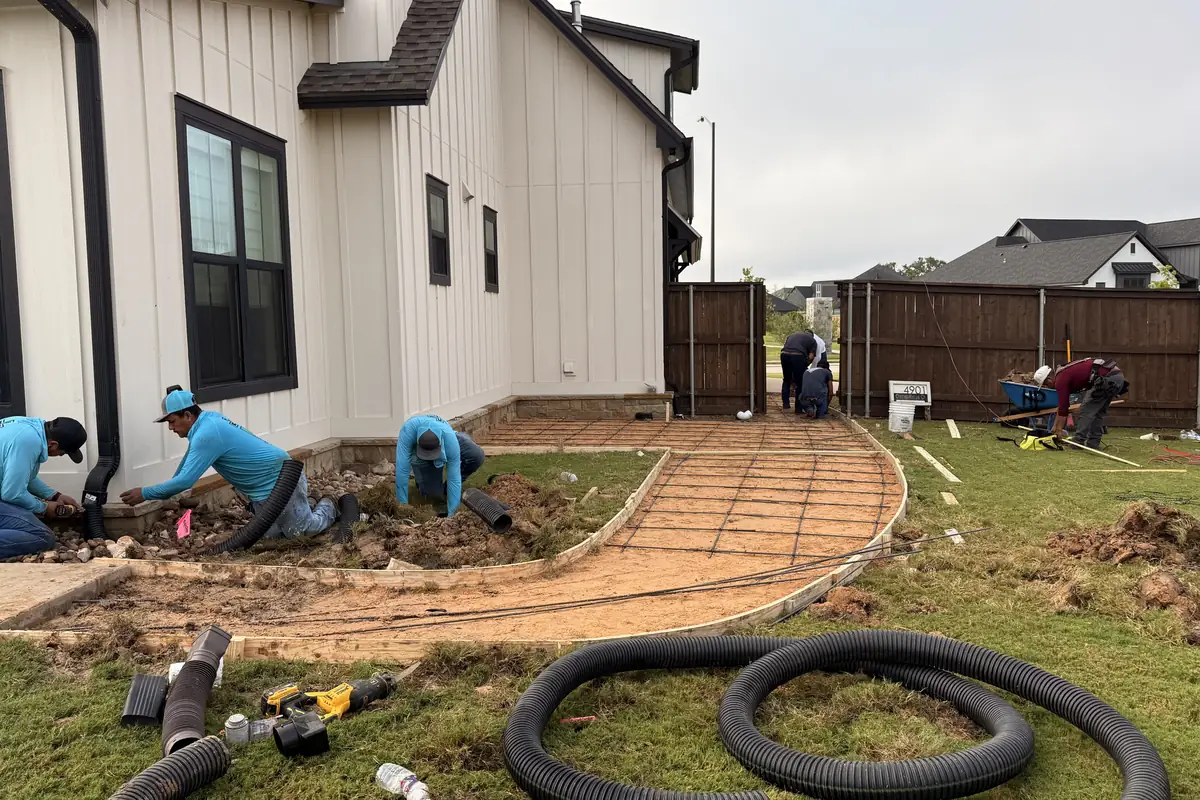
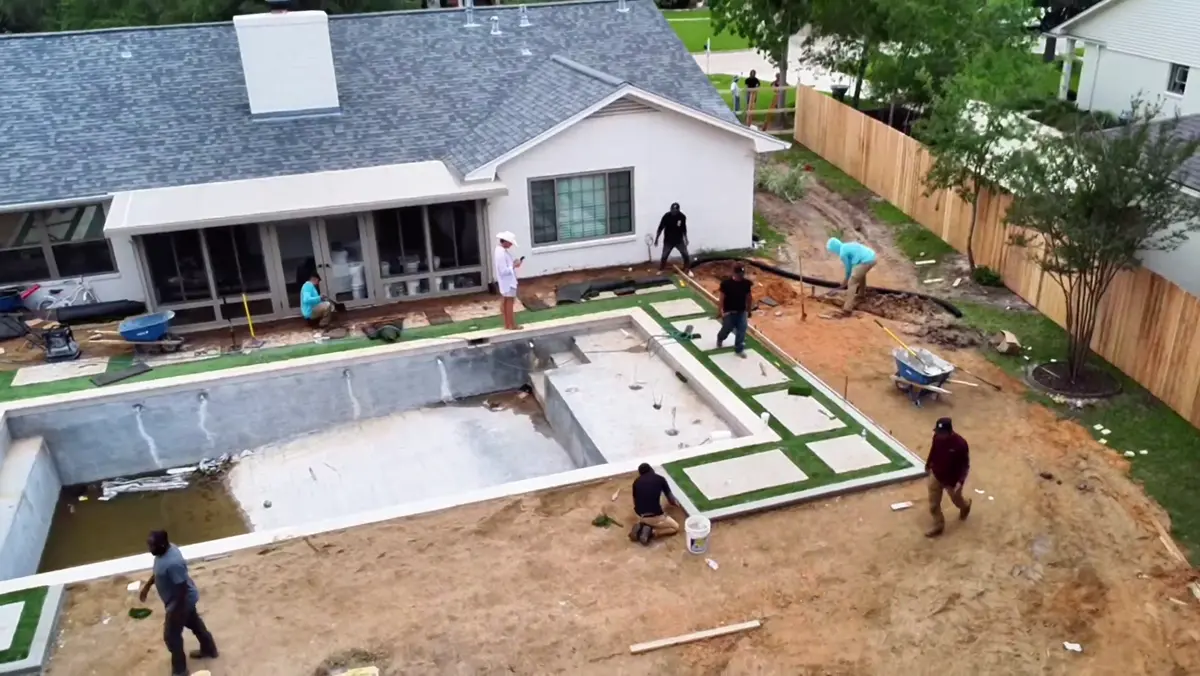
A backyard is built in layers. Drainage and utilities go in before concrete. Concrete cures before stone is set. Planting and sod come last so nothing is trampled. One project lead holds that sequence together and inspects each stage before the next begins. Our vetted local specialists each build their own trade under HP management, so every stage is handed to the next in good order rather than left for you to coordinate.
Materials, lead times and your selections
Some of the most beautiful materials, such as natural stone, custom tile and specialty fixtures, are produced in limited quantity and may take time to arrive. Decisions made early let us order early. The most common source of a slow project is a selection that is still undecided when the crew is ready for it. We present choices clearly in the design phase so that nothing waits on a late decision.
The size and ambition of the project
A single patio, a pergola, a full pool with an outdoor kitchen and a complete yard transformation are different undertakings, and each has its own rhythm. Larger projects involve more trades, more approvals and more careful sequencing. We say this without alarm. A well planned project of any size moves at a steady, unhurried pace, and the plan makes that pace visible long before work begins.
Communication through the build
A calm project is one in which you always know what comes next. Your project lead is the same person from the first conversation to the final walkthrough, and you will hear from them as stages finish and new ones begin. Changes are discussed openly and confirmed in writing, so the schedule you were given stays honest. We take a limited number of projects, which is what allows that level of attention.
How to start sooner
The fastest way to shorten a project is to begin with a complete brief: the address, the scope, photographs and inspiration. Our process page sets out typical timelines for each type of project, and your written proposal includes a schedule specific to yours. We prefer to give you a schedule you can trust rather than a promise that cannot be kept.
Why a rushed plan is rarely the faster one
It is tempting to begin building quickly, particularly when the season is pleasant and the yard is waiting. Experience in this region suggests the opposite approach. A project started before the plan is complete tends to stop for a missing detail, a changed material or an unexpected utility line. A plan that has been drawn, reviewed and approved by you lets work proceed without interruption, and that steadiness is what makes a project feel calm from the first morning of work to the final walkthrough.
Your next step: the project brief
If you are planning a backyard in College Station, Bryan or anywhere in the Brazos Valley, the project brief is where the schedule begins. Share your address, the scope, photographs and inspiration. We review each brief personally, and once we understand the project we reserve your consultation and begin the design that every later stage depends upon.