Why we ask for a project brief first
Most pool companies open with a site visit and a rough number. We open with a project brief, because a prepared first meeting does the work of three unprepared ones. When we already know the property, the scope and the look you are after, the conversation is about design and decisions rather than measuring and guessing. It also respects your time, which matters to us as much as it does to you.
One: the property address and a survey if you have one
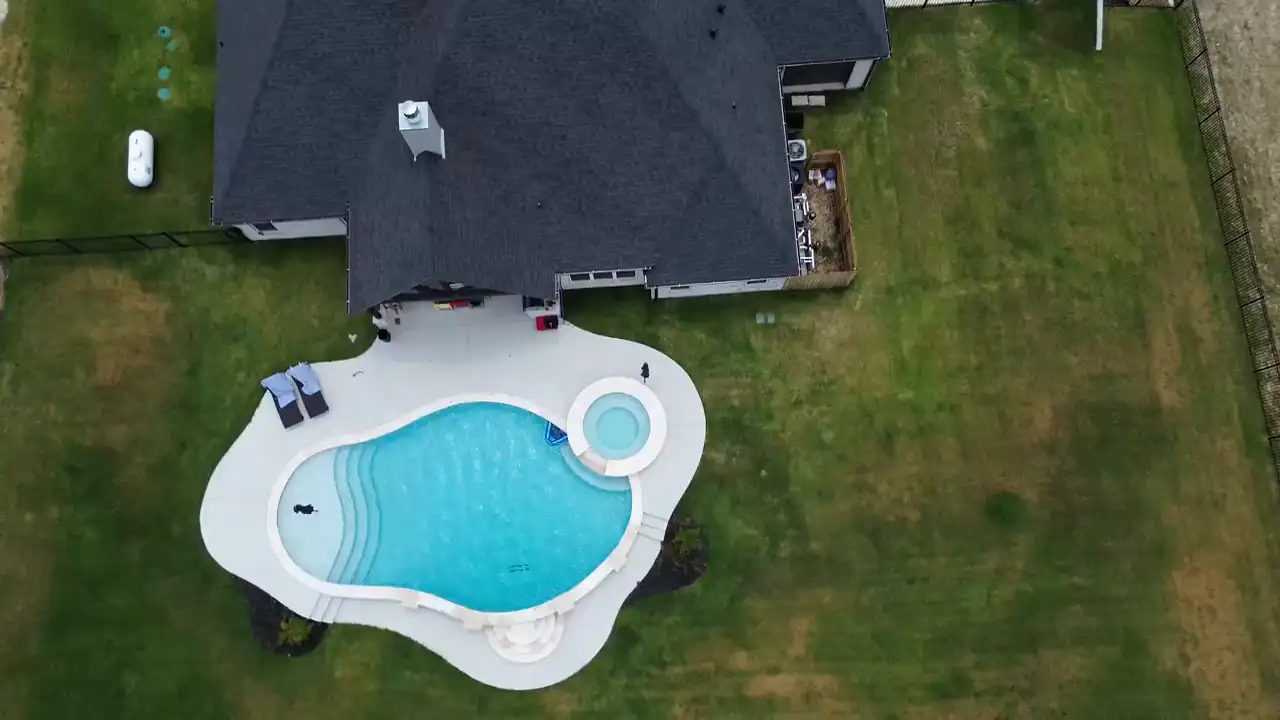
The address lets us study the lot before we speak: its shape, its slope, where the house sits and how equipment can reach the backyard. A survey or plat from your closing documents is even better, because it shows easements and building lines that decide where a pool can and cannot go. If you cannot find one, do not worry. We can work from the address and your photographs.
Two: photographs of the yard
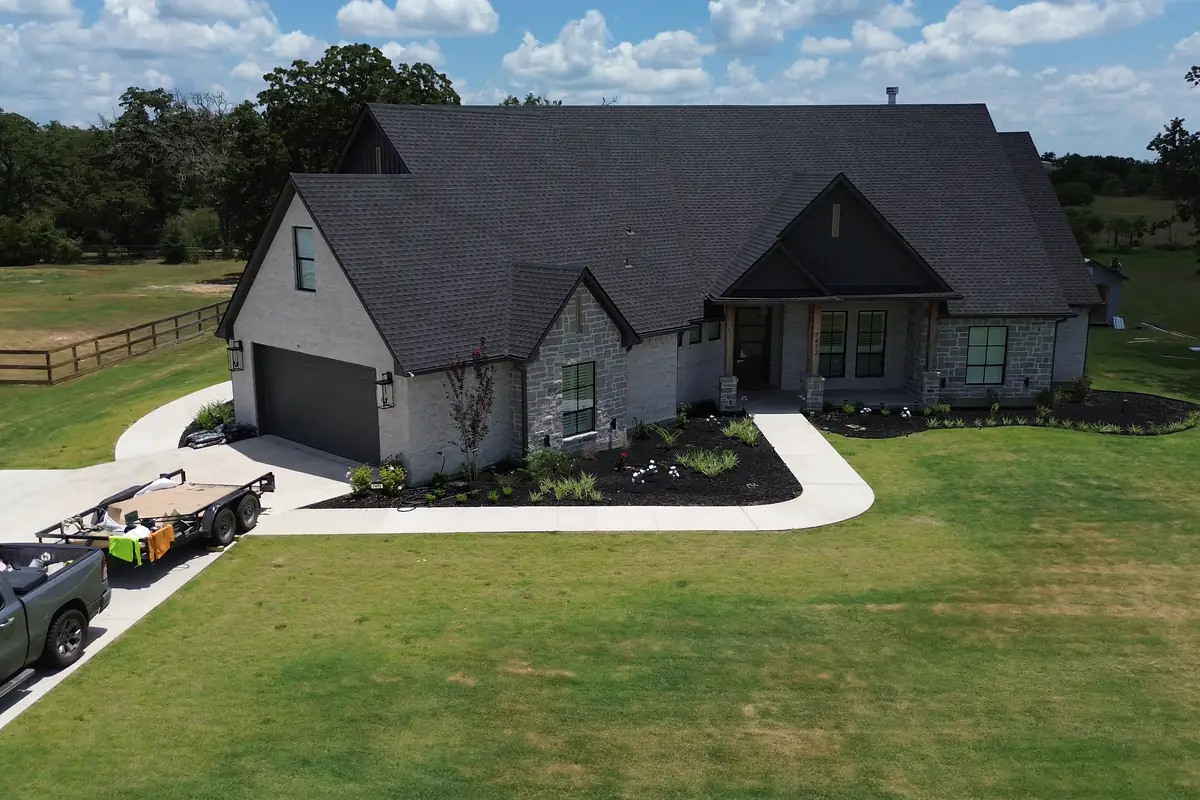
Walk the yard and photograph it from each corner, plus the view from the back door and from any room that looks onto the space. Include the side yards and gates. Access is one of the first things we plan around, and a narrow gate changes how a pool is built. Photographs taken in good light, from standing height, tell us more than you might expect.
Three: inspiration
Save photographs of pools, decks and outdoor rooms you love, and a few you do not. A dozen images tell us more about your taste than an hour of description. If you have a rough sketch, send that too. It does not need to be good. It needs to be yours. The images you did not like are often the most useful, because they show us what to avoid.
Four: how you want to use the space
Laps or lounging. Young children or grandchildren. Quiet evenings or large gatherings. A spa you will use in January. The way you plan to live outdoors shapes depth, steps, tanning ledges, shade and seating far more than square footage does. A pool for a family in Castlegate with young swimmers is a very different design from one for a couple in Wellborn who want a quiet place to unwind.
Five: timing and any HOA
Tell us when you hope to swim and whether your neighborhood has an architectural review. Communities such as Miramont, Traditions and Pebble Creek ask for plans before work begins, and starting early keeps that review from setting your season back. A city permit may also apply, and HP prepares the drawings both reviews ask for, so you are not left to assemble them.
Six: the wider yard
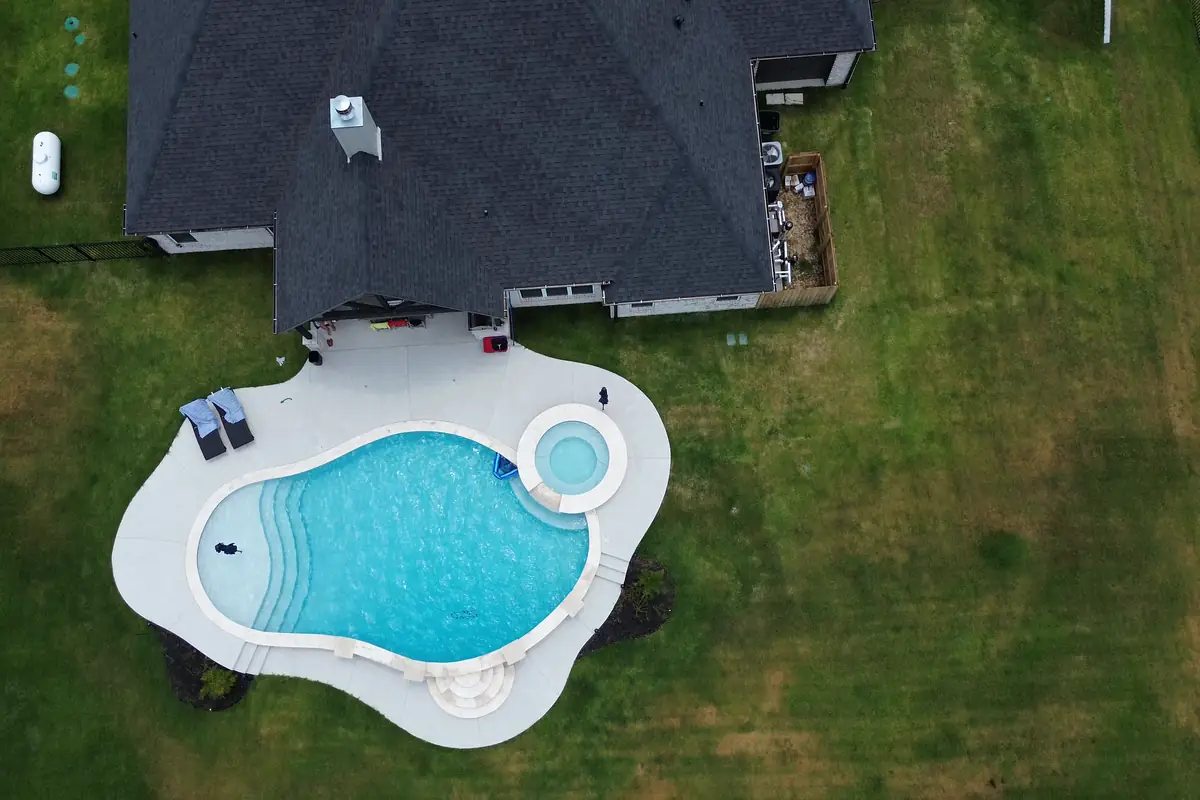
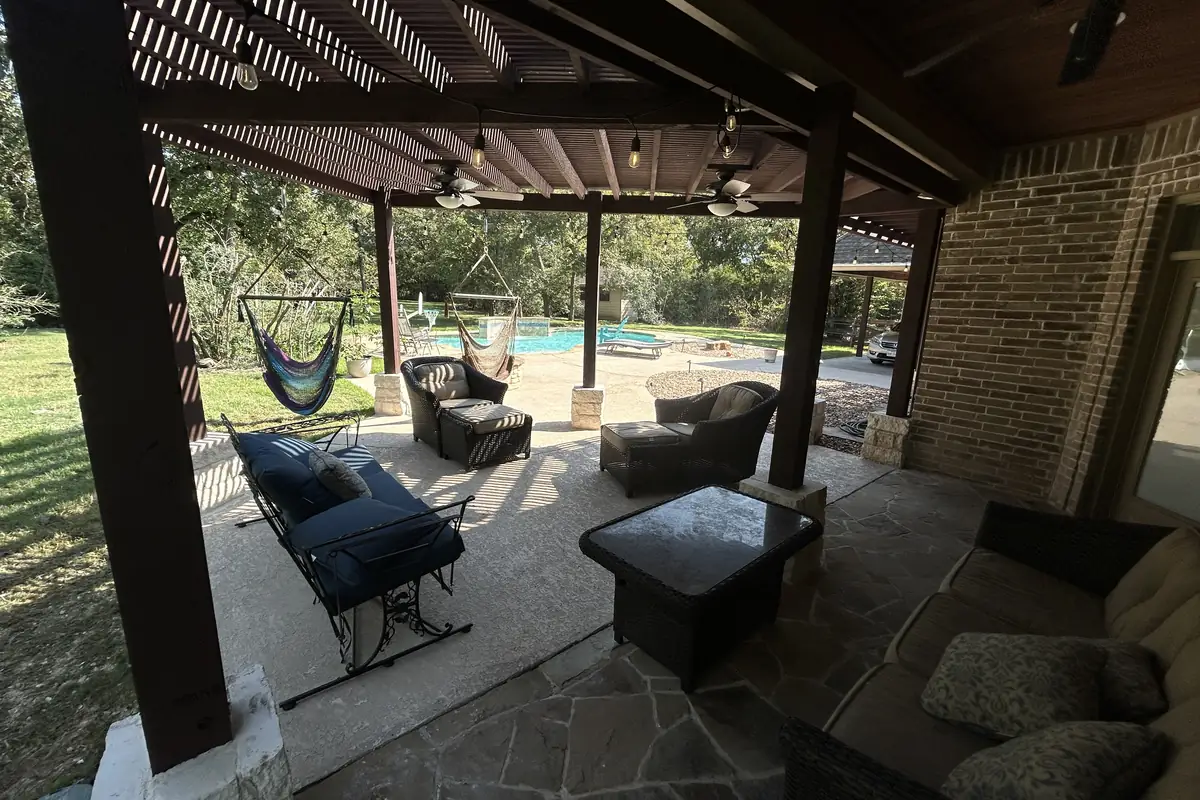
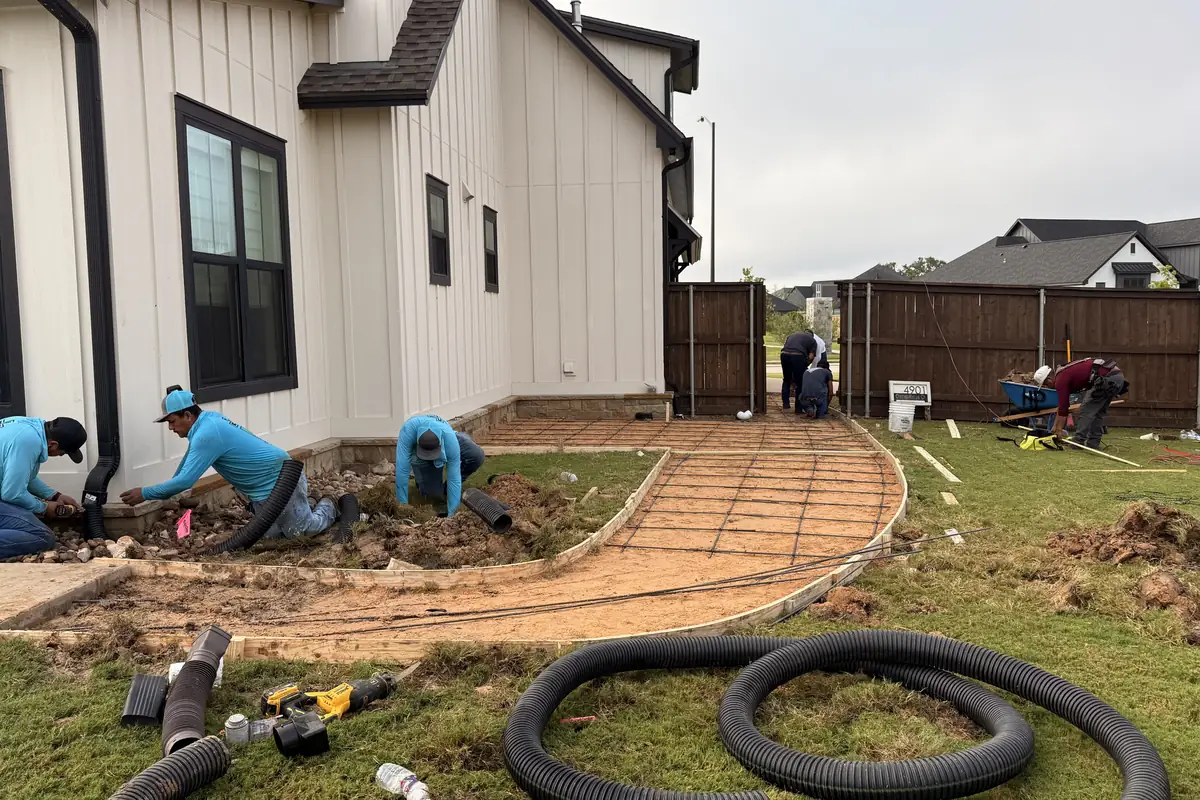
A pool is rarely alone. Consider the patio around it, the shade, the lighting, the outdoor kitchen you may want later and the lawn that meets the deck. Heavy clay soil also shapes how a pool and its surroundings are built and drained. Thinking about the whole yard at the start lets us design a space that feels unified, and that can grow in stages without being redone.
What a pool involves, and what it does not
We design and build custom pools and the outdoor spaces around them. We do not offer pool cleaning or pool maintenance, and we would rather say so openly. What you receive is a carefully designed, carefully built pool, delivered under one project lead, with a written proposal. How you care for it afterward is a decision we are glad to talk through.
Questions worth bringing with you
Come with the questions that matter to you, whether they concern safety around young children, the look of the water at night, how the pool will sit against the house or how a spa might be heated through winter. Bring any concerns about neighbors, privacy or mature trees as well. We would rather answer a dozen questions in the consultation than leave one unspoken. Good design is a conversation, and the more candid you are about what you want, the better the pool will be.
What happens next
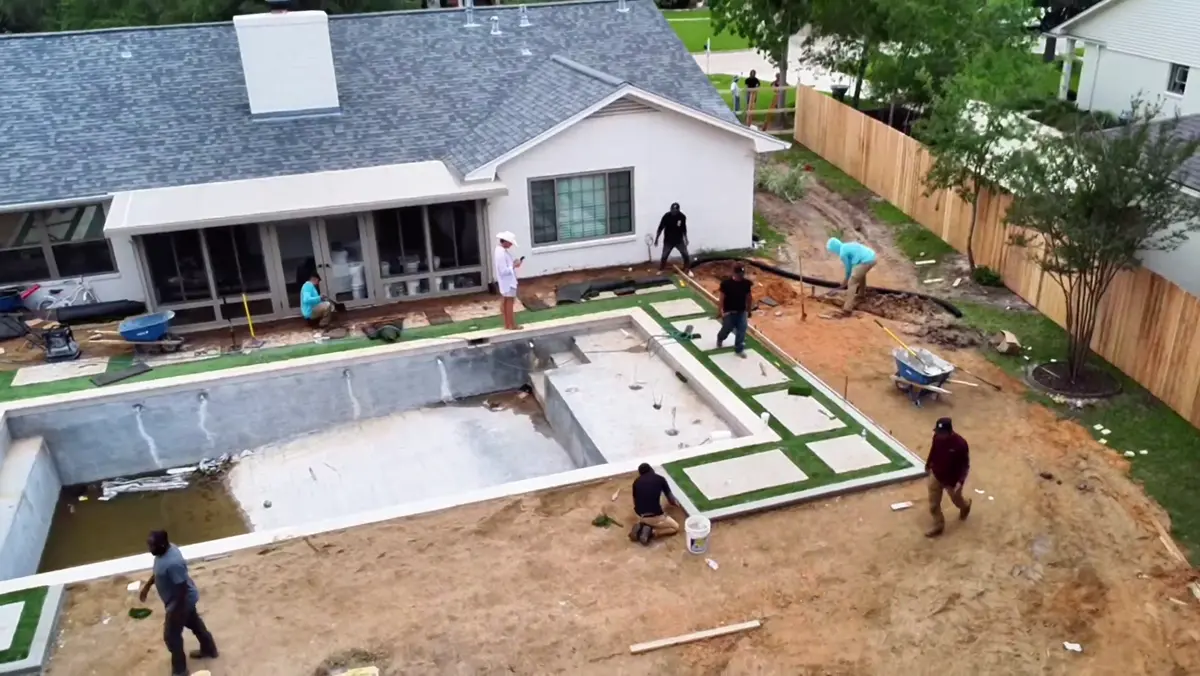
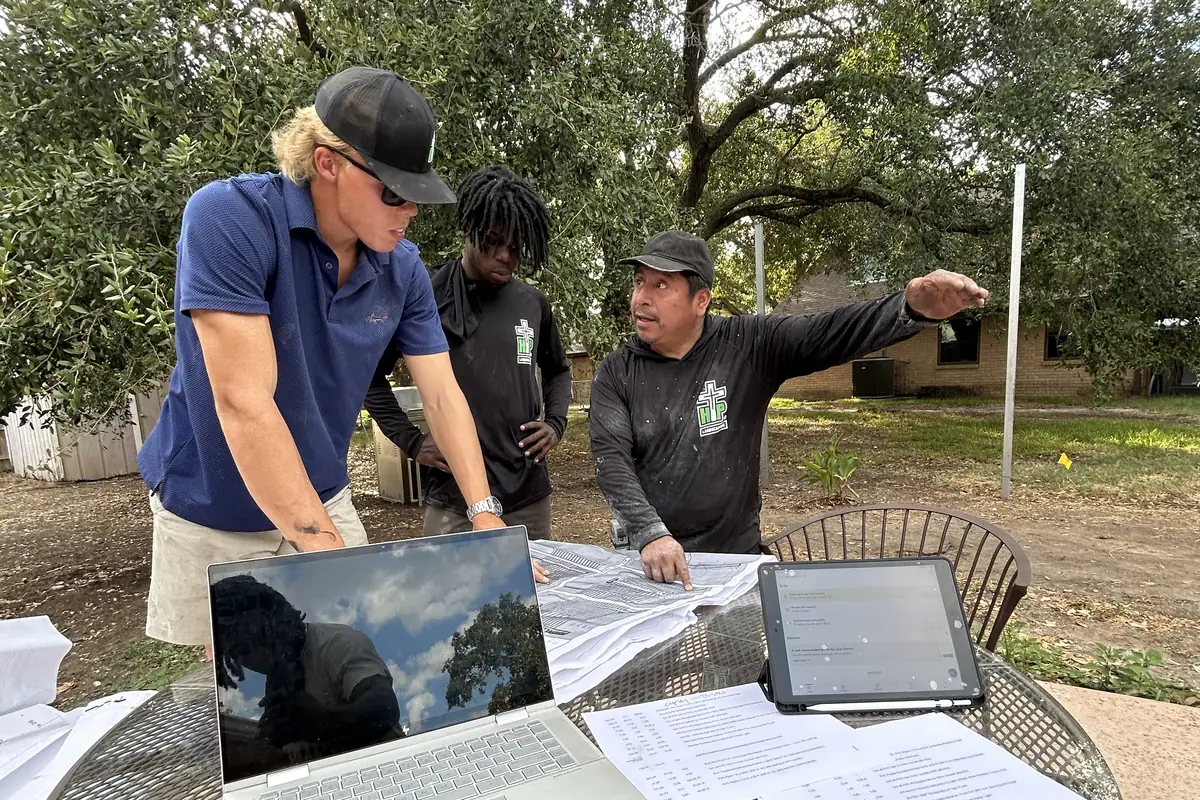
Our team reviews every brief personally. Once we understand the project, we reserve your consultation, and design begins with CAD plans and 3D renderings so you see the finished space before ground is broken. Vetted local specialists then build each trade under HP management, and one project lead stays with you from first conversation to final walkthrough. When you are ready, the project brief is the place to begin.